MENU

§ SUMMARY
07 SECTIONS
CLOSE
Our Terroir
From the Tradition vintage to the L by VD confidences, our references tell the same story said differently: a hillside, a family, a gesture that is passed down.
VI · Ranges
Coast / Soil / Vineyard / Seasons
150 Ma
Kimmeridgian soil age
VII · Generations
since 1746
Geography
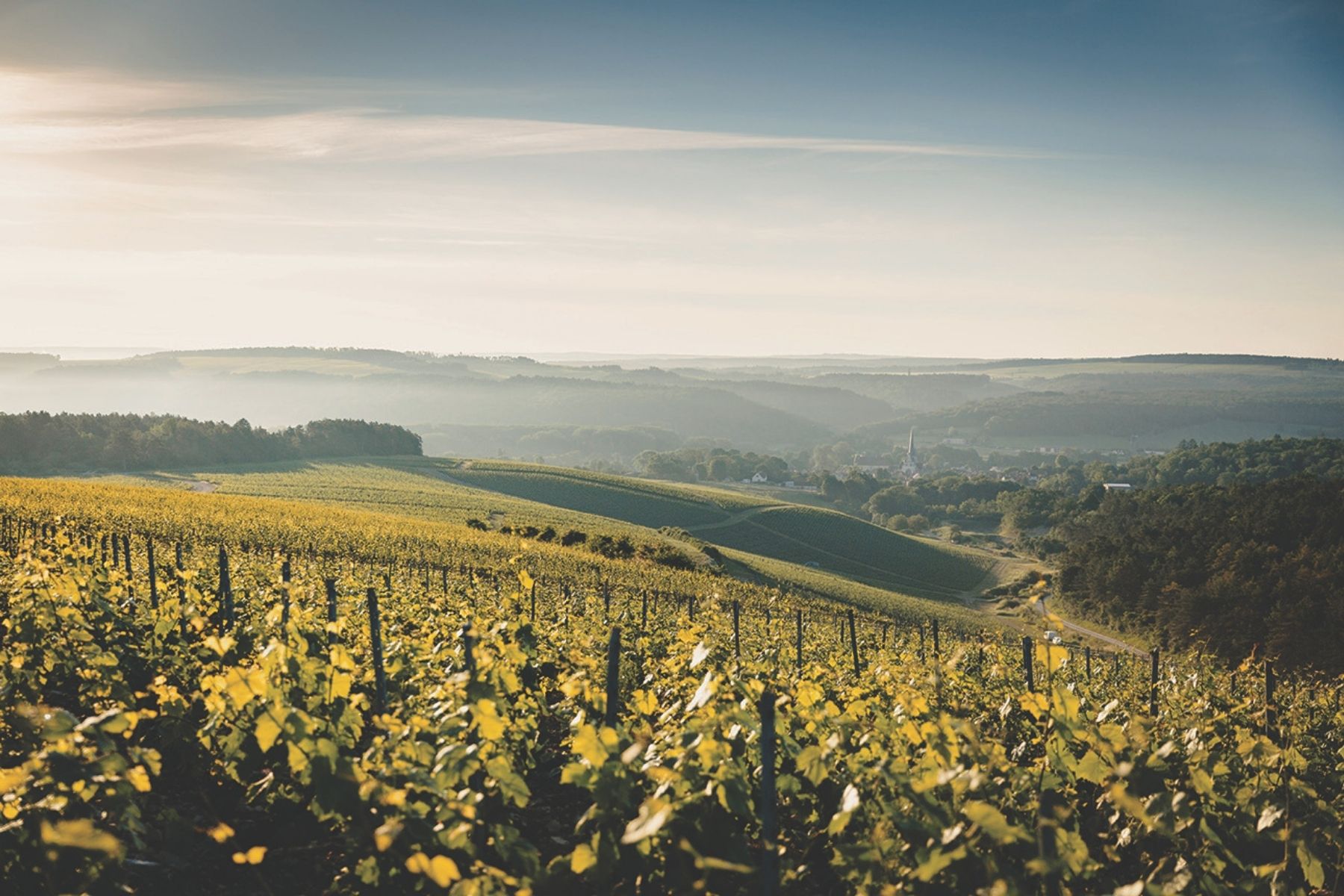
The other Champagne, the one that no one ever wanted to make famous.
I
Nichée dans le département de l'Aube, la Côte des Bar produit des champagnes d'une franchise et d'une profondeur que son sol explique entièrement.
48°06′N · 4°34′E
150–300 M
I.
Since
1746
Year of foundation
II.
FAMILY CONTINUITY
VII
generations
III.
VINEYARD ALTITUDE
150
at 300 m
Kimmeridgian soil
Marly limestone · 150 million years old.
II
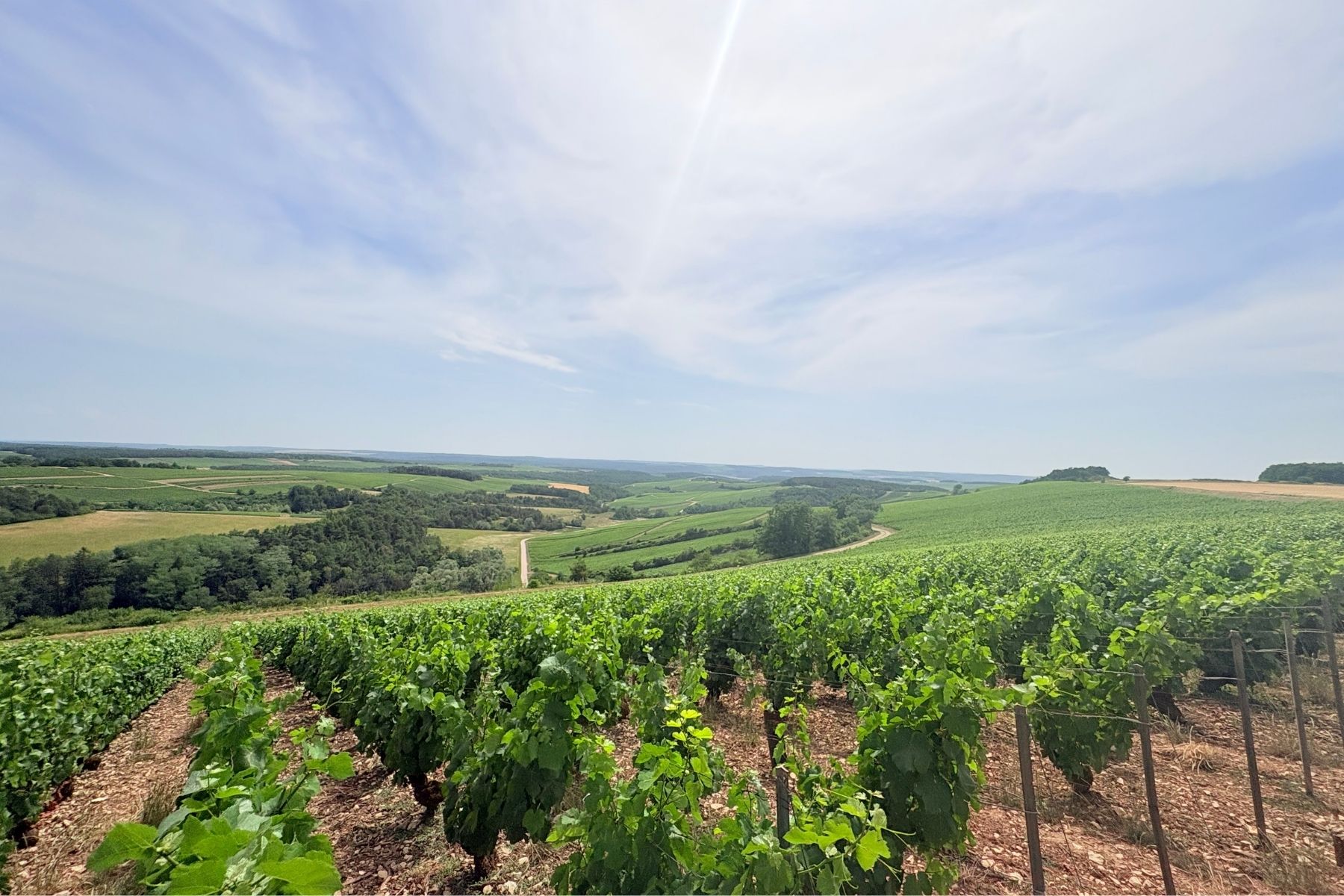
A limestone formed 150 million years ago, composed of layers of clay and fossil limestone, which gives Pinot Noir a minerality and structure that no other Champagne terroir can reproduce.
AGE OF LIMESTONE
150
My
FOSSIL LIMESTONE
80
%
Kimmeridgian clay
20
%
Vineyard · Grape Varieties
The alliance that this land demands.
III
This complementarity is not a stylistic choice. It is what the soil of Noé-les-Mallets naturally demands, and what the Joly family has learned to respect, generation after generation.
PINOT BLANC
100
%
Le Confidentiel
PINOT NOIR
80
%
The King
CHARDONNAY
20
%
Precision
Sustainable viticulture
Preserve for as long as possible.
IV
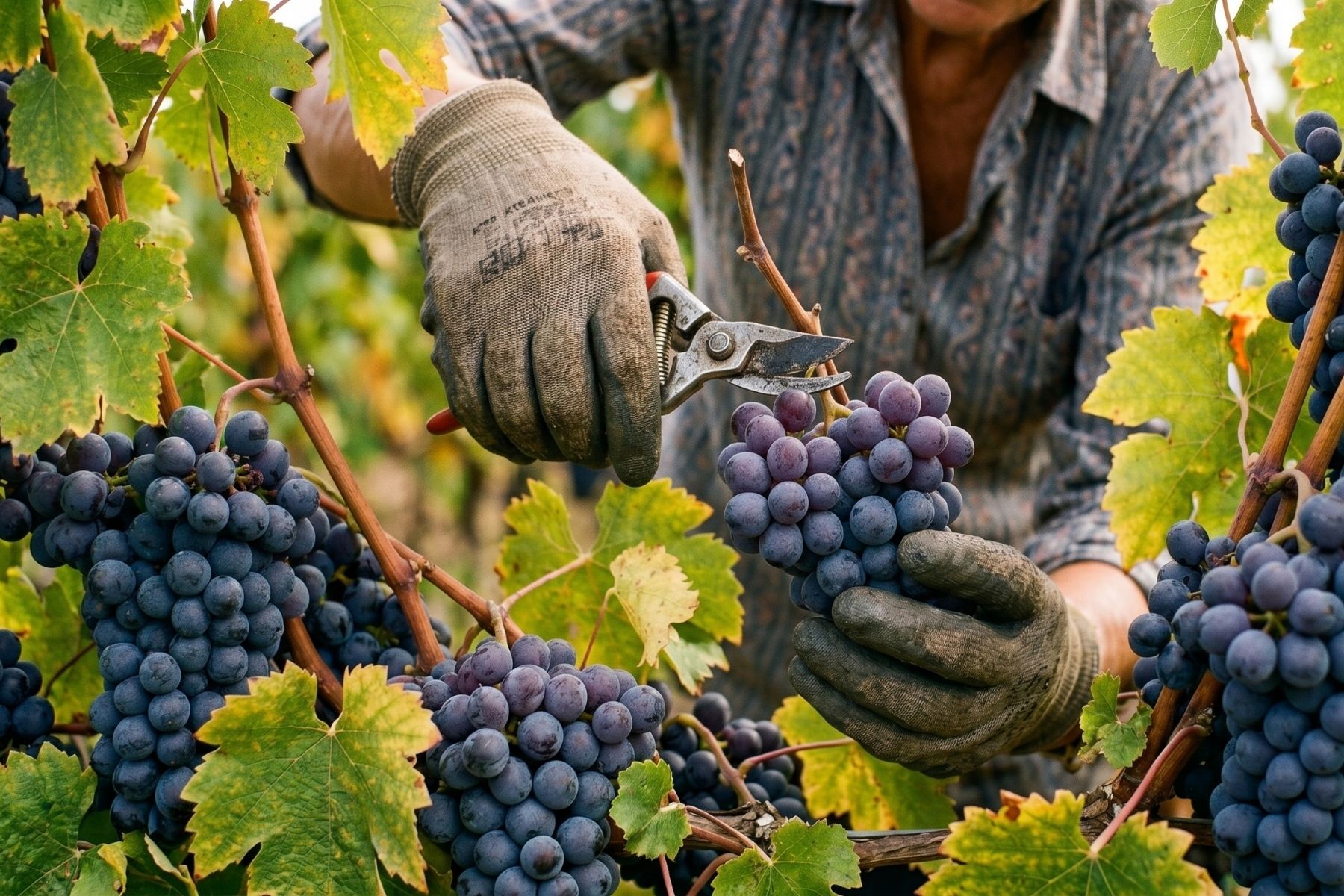
Three simple principles, rigorously applied, plot by plot. None are spectacular. All are decisive.
Integrated pest management
HAND HARVESTING
Respect for the soil
VINIFICATION
The vat, the slats, the time.
V
Winemaking at Veuve Doussot is an act of withdrawal, allowing the Pinot Noir from the Côte des Bar to express itself without interference.
01 · PRESSURIZATION
Gentle extraction, natural cold settling. Only the heart juice enters the tank.
02 · FERMENTATION
Controlled alcoholic fermentation between 16 and 18°C. Systematic malolactic fermentation, decided plot by plot.
03 · ASSEMBLY
Pinot Noir is the dominant grape, complemented by Chardonnay. The blend is made by the family, blind, based solely on taste.
04 · LIVESTOCK
There are no shortcuts when it comes to time. It is in the silence and darkness of the cellars that champagne acquires its complexity and signature.
FOUR SEASONS
VI
The vineyard follows the rhythm of the sky. Each season calls for a different action, a different attention. None is more important than another; they are linked by the same thread: patience.
I.
MARCH — MAY
II.
JUNE — AUGUST
III.
SEPT. — OCT.
IV.
NOV. — FEB.
Spring
THE AWAKENING
La vigne se réveille. Les bourgeons éclatent, les premiers pampres s'allongent. C'est la saison de la vigilance contre le gel, contre les maladies, contre tout ce qui pourrait compromettre la récolte à venir.
Summer
WORK
La vigne travaille. Les grappes se forment et mûrissent sous le soleil de l'Aube. C'est la période du palissage, où l'on relève et guide les rameaux vers la lumière, et du travail du sol, pour accompagner la vigne sans jamais la forcer.
Autumn
THE GRAPE HARVEST
Harvest time. The most intense moment of the year, each bunch harvested by hand, sorted, delicately pressed to extract a juice of a purity that only this terroir can produce.
Winter
REST
The vines rest. In the cellars, the champagnes age slowly on their lees. Outside, it's the season for pruning and working the soil, the silent preparation for the next harvest.
To enter this website, you must be of legal age to purchase or consume alcohol in your country of residence.
Excessive drinking is harmful to your health. Please drink responsibly.